Morning Activation
Starting your day with consistent activities can help you transition from rest to activity more smoothly, setting a foundation for the hours ahead.
Learn how regular patterns and routines can contribute to more stable energy levels throughout your day

Consistent habits reduce the mental effort required for daily decisions, preserving cognitive resources for more demanding tasks and activities.
Regular patterns help regulate your body's natural rhythms, potentially contributing to more predictable energy fluctuations throughout the day.
When basic routines become automatic, you spend less time and energy figuring out what to do next, creating a smoother flow through your day.
Habits that support fundamental needs like adequate rest, regular meals, and movement can create a foundation for more stable energy levels.
Different types of habits that may influence your daily energy patterns
Starting your day with consistent activities can help you transition from rest to activity more smoothly, setting a foundation for the hours ahead.
Regular eating patterns help maintain stable blood sugar levels, which can influence your energy availability and mental clarity throughout the day.
Incorporating regular physical activity into your routine can support circulation and may help counteract the energy dips associated with prolonged sitting.
Evening routines that promote relaxation can support better sleep quality, which in turn affects how you feel and function the following day.
Start with small, manageable actions rather than ambitious overhauls. Tiny habits are more likely to stick because they require less willpower and fit more easily into existing routines.
Link new habits to existing ones through a technique called habit stacking. For example, after your morning coffee, you might spend two minutes planning your day.
Focus on consistency over intensity, especially in the beginning. Doing something small every day builds the neural pathways that make the behavior automatic.
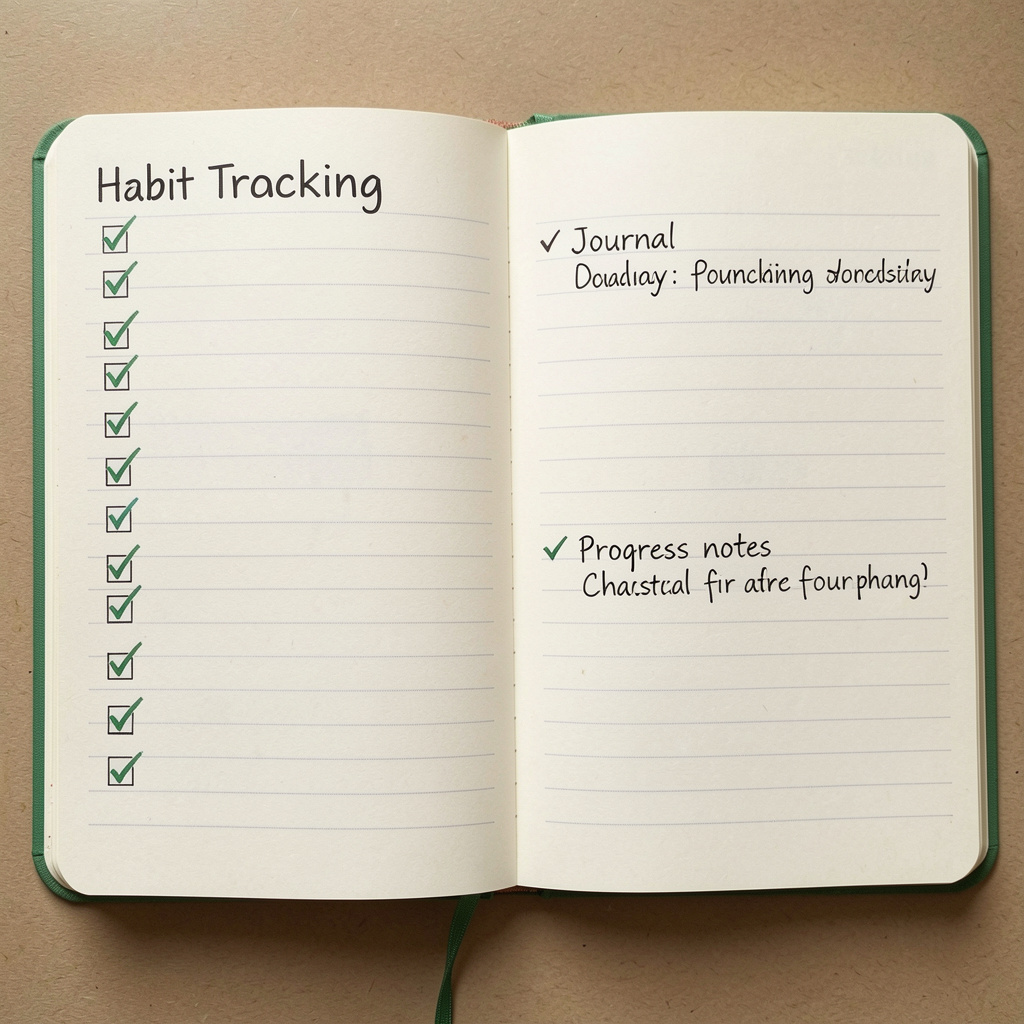
When life events interrupt your routine, focus on maintaining your most essential habits rather than trying to preserve everything. This prevents the all-or-nothing thinking that leads to complete abandonment.
As your circumstances evolve, your habits may need adjustment. Regularly assess whether your routines still serve your current needs and priorities.
Be cautious about adding too many habits at once. A few well-maintained routines are more valuable than many that you struggle to sustain.
Educational Information: All materials and practices presented are for educational and informational purposes only and are intended to support general well-being. They do not constitute medical diagnosis, treatment, or advice. Before applying any practice, especially if you have chronic conditions, consult a qualified healthcare professional.