Time Audit
Track how you actually spend your time for several days to identify patterns, time drains, and opportunities for better alignment with your priorities.
Discover approaches to create harmony between your various daily activities and responsibilities
Balance in daily rhythm means distributing your time and energy across different life areas in a way that feels sustainable and aligned with your values
Balance is not about equal time distribution but rather about appropriate allocation based on your current priorities and circumstances.
It involves recognizing that different days may require different approaches, and that flexibility is a key component of sustainable routines.
True balance acknowledges that some periods will naturally emphasize certain areas of life over others, and that this variation is normal and healthy.

Track how you actually spend your time for several days to identify patterns, time drains, and opportunities for better alignment with your priorities.
Notice when you feel most alert and focused versus when your energy naturally dips. This awareness helps you schedule activities more strategically.
Compare how you spend your time with what you say matters most to you. Gaps between values and actions indicate areas for potential adjustment.
Regularly evaluate which parts of your routine feel fulfilling and which feel draining or misaligned with your goals and preferences.
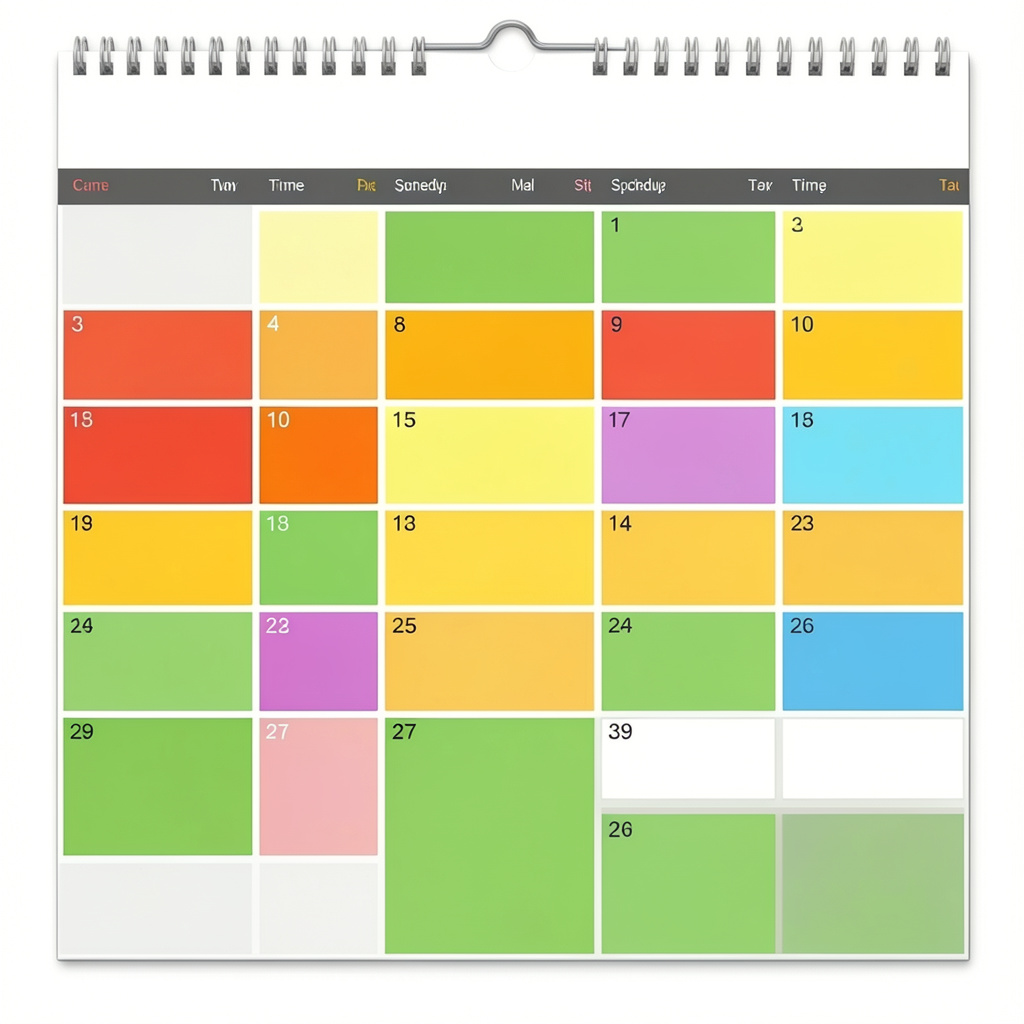
Time blocking involves dedicating specific periods to particular types of activities, creating clear boundaries that help prevent one area from overwhelming others.
The concept of anchor activities means establishing non-negotiable elements in your schedule that support your core priorities and values.
Buffer time between activities provides breathing room for transitions, unexpected delays, and mental shifts between different types of tasks.
Regular review sessions allow you to assess what is working and make adjustments before small imbalances become significant problems.
Signs that your daily rhythm may need adjustment
Consistently feeling rushed or behind schedule may indicate that your routine includes more commitments than can realistically fit in your available time.
When certain life domains consistently receive minimal attention, it may signal that your current rhythm does not adequately support your overall well-being.
Trouble transitioning between activities or mentally letting go of one task to focus on another suggests a need for clearer boundaries in your schedule.
Balance is not a one-time achievement but an ongoing practice that requires regular attention and adjustment as your life circumstances change.
Educational Information: All materials and practices presented are for educational and informational purposes only and are intended to support general well-being. They do not constitute medical diagnosis, treatment, or advice. Before applying any practice, especially if you have chronic conditions, consult a qualified healthcare professional.